
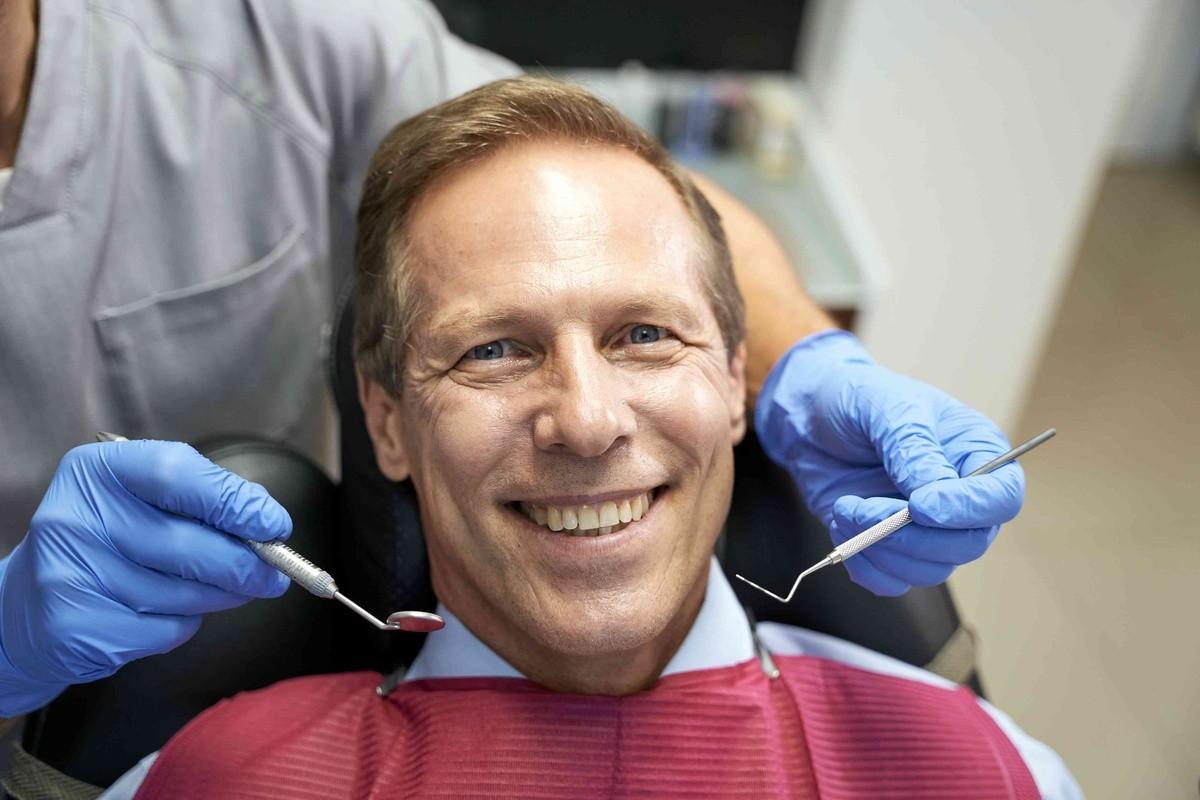
A dentist in Edgewater Chicago, IL can help patients review oral health through complete checkups, cleanings, cavity screening, gum measurements, bite review, and preventive guidance. Routine dental visits may identify early decay, gum inflammation, tooth wear, sensitivity, or changes around older fillings and crowns before symptoms become more serious. Edgewater Chicago patients can use dental checkups to ask specific questions about home care, food trapping, dry mouth, bleeding gums, and long-term dental planning.
A complete dental checkup can answer small questions before they become larger concerns. A patient may notice floss catching between teeth, gums bleeding near one molar, or a crown that feels slightly different when chewing. These signs may not feel urgent, but they can tell a dentist where to look more closely.
Patients searching for a dentist in Edgewater Chicago, IL often want care that is practical, clear, and based on what their mouth needs right now. A visit may include cleaning, exam, gum check, bite review, oral tissue screening, and X-rays when needed.
For patients in Edgewater Chicago, regular dental care can help track changes over time. The goal is to understand what is healthy, what should be watched, and what may need treatment after careful evaluation.
Why a Complete Checkup Is More Than a Cleaning
A dental cleaning removes plaque and tartar, but a complete checkup looks at the whole mouth. Teeth, gums, bite, old dental work, soft tissues, and daily habits all affect oral health.
A patient may have tartar buildup, early decay, gum inflammation, worn enamel, or a filling that is beginning to crack without strong pain. These concerns may be easier to manage when they are found early.
Someone looking for a dentist near Edgewater Chicago may come in for a routine visit and leave with better information. That information can help guide home care, monitoring, or treatment planning.
What Dentist Edgewater Chicago IL Visits May Include
A dentist at Edgewater Chicago, IL appointment often starts with a review of dental concerns, health history, medications, and daily habits. Patients should mention sensitivity, dry mouth, jaw soreness, gum bleeding, food trapping, or dental work that feels loose or rough.
The dentist may examine teeth, gums, bites, jaw movement, tongue, cheeks, and existing restorations. X-rays may be recommended when the dentist needs to see between teeth, around roots, or under older dental work.
After the exam, patients should understand the findings. Some visits may show that routine prevention is enough. Others may reveal a cavity, gum concern, worn restoration, cracked tooth, or bite issue that needs closer attention.
Gum Health Gives Useful Clues
Gums can show early signs of oral health changes. Bleeding, tenderness, swelling, recession, or bad breath may be linked to plaque buildup, tartar, brushing technique, medication changes, or gum disease.
Gum measurements help show how well the gums are supporting the teeth. These measurements can be compared at future visits to see whether the gums are stable.
Edgewater Chicago patients should not ignore bleeding in one area. A single spot may mean food is catching, tartar is collecting, or inflammation is starting near that tooth.
Cavities Can Start Quietly
Cavities do not always hurt at first. Decay may begin between teeth or under a worn filling where it cannot be seen in the mirror.
During dental checkups, the dentist may look for enamel softening, dark areas, rough edges, or changes around old restorations. X-rays may help find decay in hidden spaces when needed.
Patients should mention sweet sensitivity, cold sensitivity, or a tooth that feels different from certain foods. These details may help the dentist find small problems earlier.
Old Fillings Crowns and Bridges Need Review
Dental work needs monitoring because the mouth changes over time. A filling can wear down, a crown margin can collect plaque, or a bridge may become harder to clean around.
Floss that shreds, food that catches, or a bite that feels high can all be signs worth discussing. Older dental work may not hurt even when it needs attention.
A routine visit gives the dentist a chance to check whether restorations are still fitting, sealing, and functioning well. This can help patients plan care before restoration breaks or causes discomfort.
Bite Changes and Tooth Wear
Tooth wear may come from grinding, clenching, acid exposure, or an uneven bite. Patients may notice flattened tooth edges, small chips, morning jaw soreness, or teeth that feel tired.
Bite pressure can affect natural teeth and dental restorations. A crown, filling, or tooth may crack if too much pressure is placed in one area.
Edgewater Chicago patients should mention jaw soreness or morning tooth tenderness. The dentist may check for wear marks, cracks, or bite patterns that need monitoring.
Daily Home Care Should Match the Mouth
Preventive dental care works best when home care matches the patient’s actual needs. A person with tight spaces may need a different flossing tool than someone with crowns, bridges, implants, or gum recession.
Brushing twice daily with fluoride toothpaste and cleaning between teeth are strong basics. Drinking water and limiting frequent sugary snacks can also support oral health.
Patients should ask which areas are hardest to clean. Specific feedback is more useful than general advice because every mouth has different risk areas.
Dry Mouth and Sensitivity
Dry mouths can raise cavity risk because saliva helps protect teeth. Some medications, health conditions, stress, and mouth breathing may contribute to dryness.
Sensitivity may come from gum recession, enamel wear, cavities, cracks, whitening products, or bite pressure. A quick zing from a cold may have a different meaning than pain that lingers.
A complete dental checkup can help connect these symptoms to possible causes. Patients in Edgewater Chicago should share when sensitivity happens and how long it lasts.
What Patients Often Want from Routine Dental Care
Routine dental care can help patients feel more informed and less uncertain about their oral health.
Patients may value:
- Cleaner teeth and healthier gums
- Cavity checks before pain starts
- Gum health measurements
- Review of older fillings and crowns
- Sensitivity evaluation
- Bite and tooth wear checks
- Home care advice for specific areas
- A clearer plan for future visits
- These benefits depend on regular visits and daily habits. Dental care works best when prevention and monitoring happen together.
What to Expect Before During and After the Appointment
Before the visit, patients should write down symptoms or questions. Food trapping, bleeding gums, sensitivity, dry mouth, jaw soreness, rough dental work, or changes in bite should be mentioned.
During the visit, the dental team may complete a cleaning, exam, gum check, bite review, and X-rays when needed. The dentist can explain whether findings are routine or need follow-up.
After the visit, patients should know what to do next. That may include home care changes, monitoring, treatment planning, or timing for the next preventive appointment.
Local Patient Review
“I came in because food kept catching near one tooth. The checkup helped explain the cause and gave me a better idea of what needed to be watched.”
A Clearer Way to Track Oral Health
Complete dental checkups help Edgewater Chicago patients understand small changes before they become harder to manage. Cleanings, exams, gum checks, bite review, and home care guidance can support long-term oral health. With Edgewater Dental Group, routine dental care can focus on careful monitoring, practical prevention, and clear explanations based on each patient’s needs.
Frequently Asked Questions
Why does food keep getting stuck between the same teeth?
Food trapping may happen because of tooth spacing, gum changes, tartar, a rough filling, or a crown edge. A dentist can check the area and explain the likely cause.
Can a dental checkup find problems before pain starts?
Yes, exams may find early cavities, gum inflammation, cracks, or worn dental work before strong symptoms appear. X-rays may be recommended when hidden areas need to review.
Why do my gums bleed only near one tooth?
Bleeding in one spot may point to trapped plaque, tartar, gum irritation, or a cleaning challenge in that area. It should be checked during the visit.
What does a dentist Edgewater Chicago IL check during an exam?
The dentist may check teeth, gums, bite, oral tissues, jaw movement, and existing dental work. The visit helps create a clear picture of current oral health.
How do I know if an old filling needs attention?
A worn filling may feel rough, catch floss, trap food, or cause sensitivity. The dentist can check whether it can be monitored or needs repair.
Can clenching affect my dental work?
Yes, clenching can place extra pressure on teeth, fillings, and crowns. The dentist may look for tooth wear, small cracks, or jaw soreness.
Should dry mouth be mentioned at a checkup?
Yes, dry mouth may raise cavity risk and affect comfort. Your dentist can review possible causes and discuss protective habits.
What can I do between dental visits?
Brush with fluoride toothpaste, clean between teeth, drink water, and ask which areas need extra attention. Small home care changes can support prevention.