
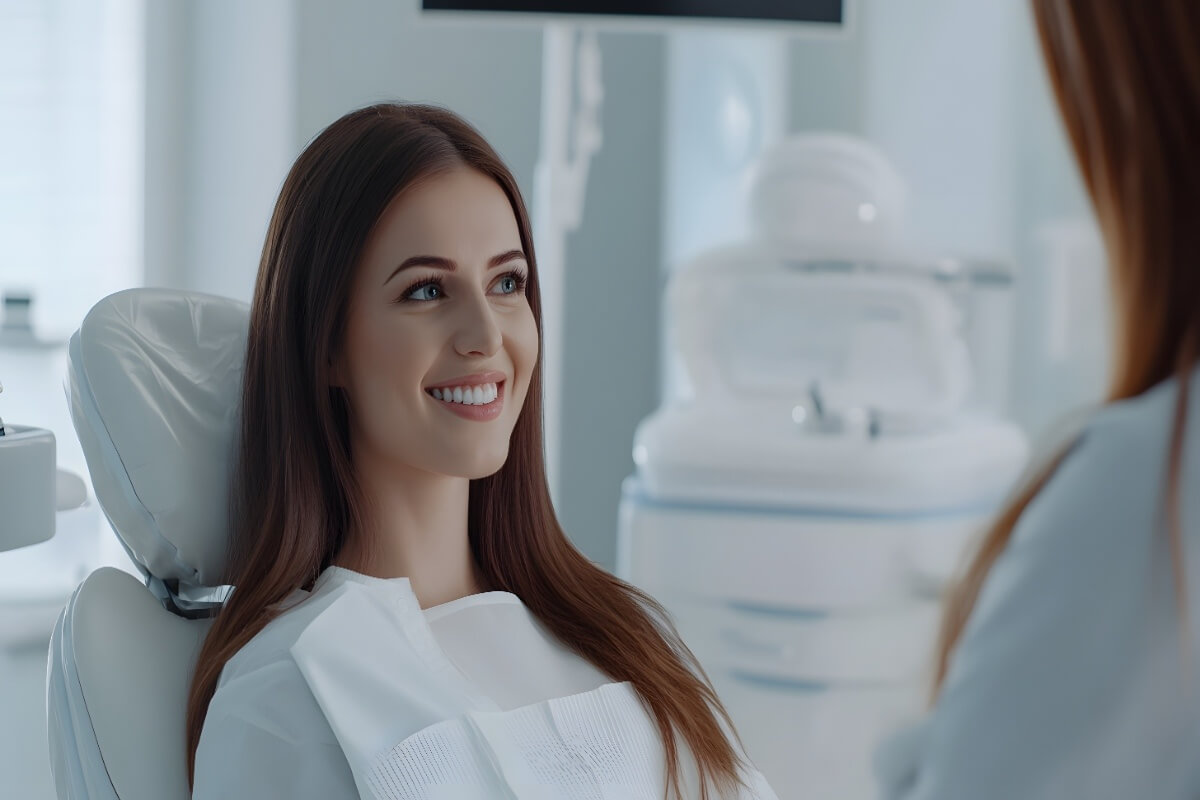
Oral health affects daily life in subtle but important ways. Comfortable chewing, clearer speech, fresher breath, and confidence during conversations all depend heavily on maintaining healthy teeth and gums over time. Many dental concerns begin quietly without causing immediate discomfort, which makes preventive care especially valuable.
For individuals searching for a dependable dentist in Chicago, routine dental visits often become part of maintaining overall wellness rather than simply addressing emergencies after symptoms appear. Early evaluations help identify gradual changes involving enamel wear, gum irritation, or bite-related concerns before complications become more advanced.
Consistent preventive care may also reduce the likelihood of larger restorative procedures later.
Daily Habits Continue Influencing Oral Health
Strong dental health is usually built through consistent habits between appointments. Even excellent professional care works best when combined with reliable home routines that protect the teeth and gums throughout everyday life.
Helpful preventive habits often include:
- Brushing thoroughly twice daily
- Flossing consistently
- Drinking water more frequently
- Reducing sugary snacks and beverages
- Scheduling routine cleanings regularly
Small improvements in consistency may positively influence long-term oral stability and gum health.
Early Treatment Often Preserves More Natural Tooth Structure
Cavities, fractures, gum inflammation, and bite-related issues frequently develop gradually before noticeable pain appears. Regular dental evaluations help clinicians monitor these concerns earlier, while treatment may still remain relatively conservative.
When small issues remain untreated for extended periods, damage may eventually affect larger portions of the tooth or surrounding oral structures. Addressing concerns sooner often allows for simpler restorative approaches while preserving healthier natural tooth structure.
Some individuals choose a dentist in Chicago for preventive care because they want to stay proactive in protecting their long-term oral health.
Modern Dentistry Places Greater Focus on Comfort
Dental anxiety continues to affect many adults and children, particularly individuals with previous negative experiences or uncertainty surrounding treatment. Unfortunately, postponing appointments can sometimes allow minor concerns to become more uncomfortable later.
Modern dentistry has evolved significantly with improved imaging, gentler treatment techniques, and more detailed patient communication during visits. Clear explanations and supportive care environments often help appointments feel more manageable and less stressful overall.
Patients looking for a dentist in Chicago often appreciate practices where treatment discussions feel informative, calm, and personalized rather than rushed.
Personalized Dentistry Creates Better Experiences
Every patient enters the dental office with different concerns, priorities, and oral health histories. Some individuals focus mainly on preventive maintenance, while others require restorative treatment, cosmetic improvements, or more advanced periodontal care.
Personalized dentistry allows clinicians to tailor treatment planning according to the patient’s actual needs instead of following generalized approaches. This individualized process often improves communication and helps patients feel more involved throughout decision-making.
Inside patient care conversations at Edgewater Dental Group, treatment planning commonly centers around prevention, comfort, and helping individuals understand realistic long-term oral health strategies.
Oral Health Often Influences Daily Confidence
The condition of the teeth and gums may affect emotional confidence more than many people initially expected. Visible damage, missing teeth, chronic sensitivity, or discoloration sometimes cause individuals to feel less comfortable smiling naturally or speaking confidently in social settings.
Healthy oral function often supports greater ease during meals, conversations, and professional interactions. Maintaining preventive care may also provide reassurance because patients feel more proactive about their long-term wellbeing.
Individuals researching a dentist in Chicago are often interested in balancing oral health maintenance with improved comfort and confidence during daily routines.
Restorative Dentistry Helps Support Bite Stability
Teeth naturally experiences pressure from chewing, grinding habits, ageing, and previous dental damage over time. Restorative dentistry focuses on rebuilding the strength and stability of teeth that have become weakened or compromised.
Fillings, crowns, implants, bridges, and other restorative procedures may help preserve chewing comfort while supporting a healthier bite balance. Treating structural concerns early often reduces the likelihood of more advanced complications later.
Patients who maintain regular preventive appointments are frequently better positioned to identify restorative concerns before severe damage develops.
Long-Term Care Encourages Stronger Oral Habits
Healthy smiles usually result from long-term consistency rather than occasional treatment alone. Maintaining regular dental visits often helps patients stay more aware of oral hygiene routines while giving clinicians opportunities to monitor gradual changes over time.
Preventive discussions also allow individuals to improve brushing techniques, dietary habits, and long-term maintenance strategies before problems become more serious.
For individuals seeking patient-focused dental care centered on prevention and comfort, Edgewater Dental Group continues to provide treatment designed around healthier smiles and long-term oral wellness.
FAQs
Why are routine dental visits important?
Routine visits help identify oral health concerns early while supporting healthier teeth and gums long term.
What habits commonly support stronger oral health?
Brushing, flossing, hydration, and preventive cleaning all contribute to maintaining healthier smiles.
Can preventive care reduce future dental treatment?
Yes. Early monitoring and maintenance may help reduce the likelihood of larger restorative procedures later.
Why do some people delay dental appointments?
Fear, uncertainty, busy schedules, or past experiences sometimes lead people to postpone seeking care.
What do some individuals appreciate most about ongoing dental care?
For some patients receiving treatment through Edgewater Dental Group, personalized guidance and preventive support help make maintaining oral health feel more manageable over time.