
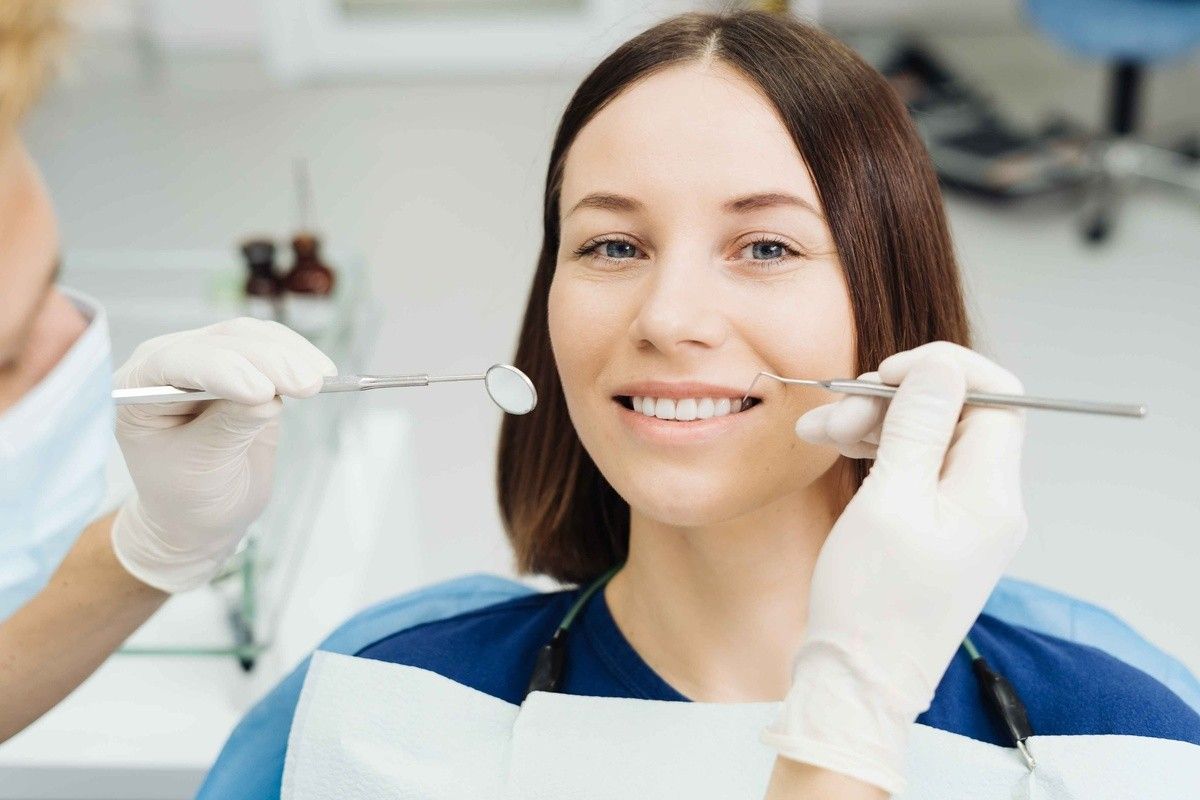
A dentist rogers park Chicago, IL can help patients protect oral health through preventive care, including dental exams, cleanings, gum checks, cavity screening, bite review, and home care guidance. Routine visits may identify early decay, dry mouth concerns, gum inflammation, tooth wear, or changes around old restorations before symptoms become more serious. Rogers Park Chicago patients can use preventive dental care to understand personal risk factors and plan treatment only when evaluation shows it is needed.
Preventive dental care is most useful when it fits the patient’s actual routine. Some people brush carefully but still build tartar in the same spots. Others notice dry mouths, bleeding gums, or tooth soreness in the morning. In Rogers Park Chicago, these everyday signs can help shape a more specific dental plan.
Patients searching for a dentist rogers park Chicago, IL may need a checkup, cleaning, or help understanding a small symptom. A preventive visit gives the dentist a chance to look at teeth, gums, bites, old dental work, and home habits together.
The goal is to reduce avoidable risk where possible. Routine care can help patients understand what is changing and what steps may support long-term oral health.
Prevention Is Personal
Preventive dentistry is not the same for every patient. A person with a dry mouth may need different guidance than someone with gum recession, crowded teeth, implants, bridges, or frequent cavities.
The dentist may look at dental history, health conditions, medications, plaque levels, bite pressure, and gum measurements. These details help identify risks.
Someone looking for a dentist near Rogers Park Chicago may expect a simple cleaning, but the visit can also provide a clearer picture of oral health habits and future needs.
What Dentist Rogers Park Chicago IL Visits May Include
A dentist rogers park Chicago, IL appointment may begin with questions about symptoms, health history, medications, and home care. Patients should share sensitivity, bleeding gums, dry mouth, jaw soreness, food trapping, or changes around old fillings and crowns.
The dentist may examine teeth, gums, bites, tongue, cheeks, jaw movement, and existing restorations. X-rays may be recommended when hidden areas need to be reviewed.
After the exam, patients should understand whether the mouth is stable, needs monitoring, or needs treatment. Clear explanations help patients make informed choices instead of guessing.
Dental Exams Help Track Small Changes
Dental exams can find concerns that are not easy to see at home. Cavities may form between teeth. Gum pockets may deepen slowly. A crown edge may begin to collect plaque.
The dentist can compare findings over time. If tooth wear, gum recession, or X-ray changes are progressing, the plan may change.
Rogers Park Chicago patients should ask what has changed since the last visit. This question can make a routine exam more useful and personal.
Cleanings and Gum Checks
Professional cleanings remove plaque and tartar that home brushing may miss. Tartar cannot be removed with a toothbrush once it hardens.
Gum checks help evaluate bleeding, swelling, recession, and pocket depths. These signs may show whether the gums are healthy or inflamed.
If gum concerns are present, the dentist may recommend more focused care or a different cleaning schedule. The right plan depends on the patient’s gum health, not a fixed rule for everyone.
Dry Mouth Can Change Cavity Risk
Dry mouth can happen because of medications, health conditions, dehydration, stress, or mouth breathing. It may make the mouth feel sticky or uncomfortable.
Saliva helps protect teeth by washing away food and balancing acids. When the mouth stays dry, cavity risk may increase.
Patients should mention dry mouth during preventive visits. The dentist may suggest habits or products to reduce risk depending on the cause and symptoms.
Tooth Wear and Bite Pressure
Tooth wear may come from grinding, clenching, acid exposure, or an uneven bite. Some patients notice flattened teeth, chipped edges, jaw tightness, or tooth soreness when waking up.
Bite pressure can affect natural teeth and dental work. Fillings, crowns, and bridges may wear or crack if force is concentrated in one area.
A preventive visit can help identify signs early. If grinding or clenching is suspected, the dentist may discuss monitoring or protective options when appropriate.
Home Care That Fits the Mouth
Strong home care starts with brushing twice daily with fluoride toothpaste and cleaning between teeth. Still, the exact tools may differ from person to person.
A patient with tight contacts may need a different flossing method than a patient with bridges, implants, or gum recession. Some people benefit from small brushes or water flossing tools.
Patients in Rogers Park Chicago should ask where plaque is collected. Knowing the exact missed areas makes home care more useful.
Older Dental Work Needs Routine Review
Old fillings, crowns, bridges, and bonding can change over time. Edges may wear; gaps may form, or floss may begin to catch.
A restoration may look fine to the patient while a dentist sees early wear or plaque buildup around it. X-rays may be needed when deeper areas are not visible.
Patients should mention roughness, sensitivity, food trapping, or a crown that feels different when chewing. These details help guide the exam.
Benefits Patients May Want from Preventive Care
Preventive dental visits can help patients stay informed and reduce oral health risks where possible.
Patients may value:
- Professional tartar removal
- Gum health monitoring
- Early cavity checks
- Dry mouth guidance
- Tooth wear review
- Old filling and crown checks
- Home care tips for hard-to-clean areas
- A clearer plan for follow-up care
- These benefits depend on consistency. Daily routines and regular visits work together.
What to Expect Before During and After a Preventive Visit
Before the visit, patients should think about changes since their last appointment. Sensitivity, bleeding, dry mouth, jaw soreness, food trapping, or tooth wear concerns are worth mentioning.
During the appointment, the dental team may complete a cleaning, exam, gum check, and X-rays when needed. The dentist can explain findings and discuss whether prevention, monitoring, or treatment is recommended.
After the visit, patients should know what to work on at home and when to return. Any treatment recommendations should be explained in order of priority.
Local Patient Review
“I thought dry mouth was just annoying, but the visit helped me understand how it could affect cavities. The home care advice felt specific to what I needed.”
A Practical Routine for Better Oral Health
Preventive visits help Rogers Park Chicago patients understand oral health changes before they become harder to manage. Exams, cleanings, gum checks, bite review, and home care guidance can make daily care more effective. With Edgewater Dental Group, preventive dental care can focus on clear monitoring, patient-specific advice, and steady long-term planning.
Frequently Asked Questions
Why do I get Tartar in the same place every visit?
Tartar buildup can be affected by saliva, tooth shape, brushing angle, and flossing habits. Cleaning removes it, and the dental team can show where it collects.
Can dry mouths make cavities more likely?
Yes, saliva helps protect the enamel. Ongoing dry mouth may raise cavity risk, so it should be discussed during a dental visit.
What does gum pocket depth mean?
Pocket depth helps show how well gums support the teeth. Deeper areas may suggest gum inflammation or gum disease.
Why do my teeth look flatter than before?
Flattened edges may be linked to grinding, clenching, or acid wear. A dentist can check bite pressure and enamel changes.
What should a dentist rogers park Chicago IL check at a preventive visit?
The dentist may check teeth, gums, bite, oral tissues, restorations, and home care risk areas. X-rays may be recommended when needed.
Can old crowns cause gum irritation?
A crown edge can collect plaque or become harder to clean over time. The dentist can check fit, margins, and gum health around it.
How can I make flossing easier?
Ask which tools fit your mouth. Floss picks, threaders, small brushes, or water flossers may help depending on spacing and dental work.
Does preventive care mean I will never need treatment?
No, emergencies and dental problems can still happen. Preventive care helps identify risk and catch changes earlier when possible.